
9 Key Elements of an Effective Marketing Agenda That Drive Results


Are your marketing meetings lacking focus and results? Discover the 6 Key Elements of an Effective Marketing Agenda That Drive Results and transform your marketing strategy into a powerhouse of productivity and success. Keep reading to unlock the secrets to crafting an agenda that not only keeps your team on track but also drives tangible outcomes.
Content Overview:
What is a Marketing Plan?
A marketing plan is a strategic document that outlines a business’s marketing efforts for a specific period, typically a year. It serves as a roadmap for achieving marketing objectives, detailing the strategies, tactics, and resources needed to promote products or services effectively.
A well-crafted marketing plan includes an analysis of the current market situation, clearly defined goals, a deep understanding of the target audience, and a competitive analysis.
Additionally, it outlines the marketing mix (often the 4Ps: product, price, promotion, and place), budgets, and key performance indicators (KPIs) to measure success.
Ultimately, a marketing plan ensures that all marketing activities are aligned with the business’s overall objectives, helping to drive growth and achieve desired results.
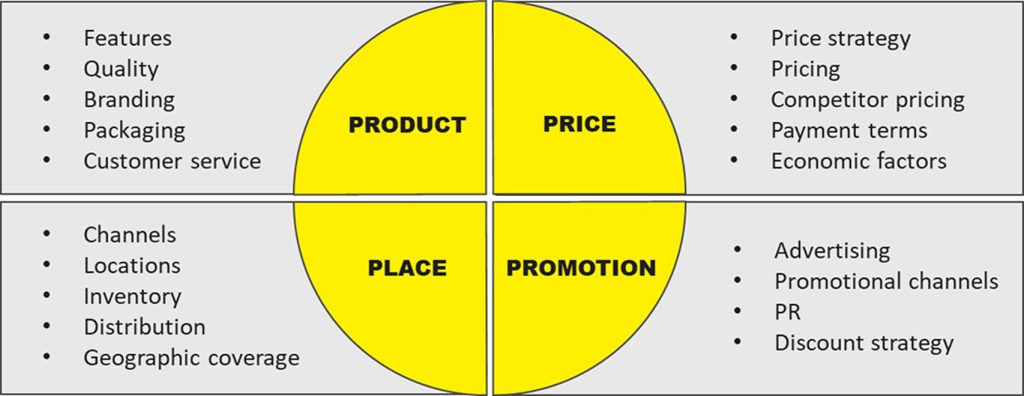
Marketing Plan vs. Business Plan
When comparing a marketing plan to a business plan, the key difference lies in its scope and focus. A business plan is a comprehensive document that covers the entire operation of a business.
It includes elements such as the company’s mission, overall strategy, financial projections, target market, product or service offerings, operations, and sometimes even staffing and management structures.
Essentially, a business plan serves as a roadmap for how the entire business will operate and grow over time, often spanning several years.
In contrast, a marketing plan is more focused and specialized. It zooms in on the marketing aspect of the business, detailing specific strategies and tactics for reaching and engaging with customers. This plan outlines the target audience, marketing channels, pricing strategies, and promotional activities.
The marketing plan usually covers a shorter time frame, typically one year, and is often updated more frequently to adapt to market changes and campaign results.
Another difference is in their purpose: while both documents are crucial for securing financing and guiding the business, the business plan is usually more important for presenting to investors because it offers a broad view of the company’s viability.
The marketing plan, however, is crucial for the marketing team to ensure that all marketing activities align with the business’s overall goals.
Marketing Strategy vs. Marketing Plan
Understanding the difference between a marketing strategy and a marketing plan is crucial for effectively guiding a business’s marketing efforts.
Marketing Strategy is the overarching “why” behind your marketing efforts. It defines your business’s long-term goals, target audience, value proposition, and how you plan to differentiate yourself from competitors.
Essentially, it’s about setting the direction and priorities for your marketing efforts and aligning them with your broader business objectives. For example, your strategy might include positioning your brand as a leader in sustainable products, which would then guide all of your marketing activities toward that end.
On the other hand, a Marketing Plan is the “how” — it’s the tactical roadmap that outlines the specific actions, campaigns, and timelines required to implement your marketing strategy.
A marketing plan includes details like which marketing channels you’ll use, what your content calendar looks like, what your budget will be, and how you’ll measure success. It’s typically more short-term, often focusing on a one-year period, and it can be adapted as campaigns progress.
The Marketing Meeting
Marketing meetings are essential for aligning your team’s efforts and ensuring that everyone is on the same page with the company’s goals. To make these meetings effective, it’s crucial to focus on a few key strategies.
First, always start with a clear agenda. An agenda helps keep the meeting focused and ensures that all important topics are covered.
Distribute the agenda ahead of time so participants can prepare and contribute more effectively. It’s also helpful to set time limits for each agenda item to keep the meeting on track and prevent it from running too long.
Next, keep the meetings as short as possible. Studies show that shorter meetings are more productive, with the ideal length being around 15 to 30 minutes. If the meeting is expected to be longer, consider building in short breaks to maintain energy levels and focus.
Another important tip is to involve only the necessary people. Inviting too many participants can lead to distractions and reduced productivity. The “two-pizza rule,” where only as many people as can be fed by two pizzas are invited, is a practical guideline for keeping meetings efficient.
It’s also important to end every meeting with clear action items. This ensures that everyone knows what steps to take next, which helps maintain momentum and accountability within the team.
The Importance of Marketing Meetings
Marketing meetings are essential for driving a business’s success, as they serve multiple critical functions within an organization.
1. Enhancing Collaboration and Communication: Marketing meetings provide a dedicated space for team members to collaborate, share ideas, and align their efforts.
This regular interaction ensures that everyone is on the same page, which is crucial for executing campaigns effectively and responding to market changes swiftly.
These meetings also facilitate better communication between different departments, such as marketing and sales, ensuring that all teams work towards the same goals.
2. Building Strong Client-Agency Relationships: For businesses working with marketing agencies, regular meetings are vital for fostering a deeper partnership. These sessions allow both parties to clarify expectations, align brand messaging, and adapt strategies based on real-time feedback.
This close collaboration leads to more tailored and effective marketing efforts, as agencies can better understand and respond to a client’s needs.
3. Ensuring Timeliness and Relevance: Marketing is often about being timely—whether it’s responding to industry trends, capitalizing on current events, or coordinating campaigns with seasonal opportunities.
Regular meetings help teams stay ahead of these timelines, ensuring that marketing messages are always relevant and impactful.
4. Promoting Accountability and Progress: By setting clear objectives and action items during meetings, teams can track progress more effectively.
This accountability ensures that everyone knows their responsibilities and deadlines, leading to smoother execution of marketing plans and a greater likelihood of achieving the desired outcomes.
5. Driving Innovation and Problem-Solving: Marketing meetings are also crucial for brainstorming and problem-solving.
They provide a structured environment where team members can discuss challenges, explore new ideas, and develop creative solutions. This continuous engagement helps keep the team innovative and responsive to market demands.
6. Aligning Team Focus: Regular meetings help maintain focus on key priorities and objectives, ensuring that all team members are aligned with the company’s vision and marketing goals. This unified focus is crucial for delivering consistent, impactful campaigns.
7. Giving Everyone a Voice: Marketing meetings create a platform where everyone, regardless of their role, has the opportunity to contribute. This inclusive environment encourages diverse perspectives and strengthens decision-making.
8. Fostering a Culture of Ideas: A culture of creativity is key to success in marketing. Meetings provide a space for open discussion, where new ideas can be shared and explored, helping teams stay innovative and ahead of the competition.
9. Building Team Spirit: Marketing meetings play a significant role in building camaraderie and trust among team members. By regularly engaging with one another, teams can strengthen their bonds, which translates to more cohesive and effective teamwork.
10. Promoting Accountability: Consistent meetings reinforce accountability by ensuring that action items are followed up and deadlines are met. It keeps everyone committed to their tasks and helps the team track their progress towards shared goals.
Different Types of Marketing Meetings
Marketing meetings come in various forms, each tailored to specific objectives within a marketing strategy.
1. Brainstorming Meetings: These sessions are designed to generate a wide range of ideas for marketing campaigns, products, or problem-solving.
The focus is on creativity and free-flowing discussion, encouraging participants to think outside the box without judgment. These meetings help develop innovative strategies and energize the team for upcoming projects.
2. Planning Meetings: These are crucial for laying out the roadmap for upcoming marketing campaigns, product launches, or events. Planning meetings involve setting goals, assigning roles, and establishing timelines.
The goal is to ensure that everyone knows what needs to be done, by whom, and by when, making it easier to execute complex projects effectively.
3. Retrospective Meetings: Held at the end of a campaign or after reaching a significant milestone, these meetings focus on reviewing what worked and what didn’t.
The objective is to learn from past experiences to improve future marketing efforts. These meetings help in refining strategies and processes, ensuring continuous improvement.
4. Tactical Meetings: Often weekly, these meetings are part of a structured approach like Holacracy. They focus on reviewing metrics, updating tasks, and solving immediate problems. Tactical meetings are highly organized, ensuring that the team remains aligned and that any issues are addressed promptly.
5. Problem-Solving Meetings: These are convened to address specific challenges that arise during a marketing project.
The team comes together to analyze the problem, brainstorm possible solutions, and decide on the best course of action. The aim is to ensure that obstacles are removed quickly so that projects can continue smoothly.
6. Daily Scrum or Standup Meetings: These are short, daily meetings where team members quickly update each other on what they’ve done, what they’re currently working on, and if they’re facing any issues. The goal of these meetings is to keep the team aligned and identify problems quickly.
7. Marketing Plan Reviews: These meetings focus on reviewing the current marketing plans to ensure they are aligned with business goals. The team takes the opportunity to update or improve parts of the plan that may need adjustment.
8. Campaign Reviews: These meetings take place after the completion of a marketing campaign. The team analyzes the campaign’s performance, reviewing data and results to determine what worked and what didn’t, in order to improve future campaigns.
9. Objectives Reviews: In these meetings, marketing teams review short-term and long-term objectives to assess progress. The team evaluates whether they are on track to achieve their goals and make adjustments if needed.
10. Goal Progress Reviews: These meetings are focused on evaluating the progress made toward specific marketing goals. Team members present their progress reports, and any necessary actions are taken to ensure that targets are met.
11. Marketing Retrospectives: Similar to campaign reviews, but broader in scope, these meetings take a holistic look at all marketing activities. The team reviews past performance and extracts lessons to apply to future projects, aiming for continuous improvement.
Each of these meeting types plays a vital role in the overall marketing process, helping teams stay creative, organized, and responsive to challenges.
The Necessity of an Agenda for Every Marketing Meeting
An agenda is essential for every marketing meeting because it serves as a roadmap, ensuring that the discussion stays focused, productive, and goal-oriented.
1. Keeps Meetings on Track: An agenda helps structure the meeting, guiding participants through the necessary topics without veering off course. This ensures that the meeting covers all critical points within the allotted time and prevents the discussion from drifting into unrelated areas.
2. Improves Efficiency: By outlining the topics to be discussed and the time allocated to each, an agenda helps streamline the meeting process. Participants know what to expect and can come prepared, which reduces the need for lengthy explanations and allows the meeting to move more quickly.
3. Enhances Accountability: An agenda clearly outlines who is responsible for each discussion point, ensuring that everyone knows their role and what is expected of them. This promotes accountability and ensures that the right people address all necessary topics.
4. Facilitates Better Preparation: When participants receive an agenda in advance, they can prepare adequately, bringing relevant data, reports, or ideas to the meeting. This preparation leads to more informed discussions and better decision-making during the meeting.
5. Ensures Alignment with Objectives: An agenda ties the meeting’s discussions back to the overall marketing goals and strategies, helping to ensure that every conversation is aligned with broader objectives. This focus prevents wasted time on topics that don’t contribute to the team’s success.
6. Defining Meeting Goals: An agenda helps clearly define the purpose and goals of the meeting. This ensures that all participants are aware of the meeting’s objectives and can contribute toward achieving them. Without clear goals, meetings can become unfocused and less productive.
7. Guiding Discussion Topics: The agenda serves as a guide to structure the discussion topics, helping the meeting stay relevant and avoid unnecessary tangents. It ensures that key issues are addressed in a logical sequence, which helps participants stay engaged and focused.
8. Identifying Essential Attendees: An agenda helps identify who needs to be present at the meeting. It ensures that only the relevant people attend, preventing overcrowding and making sure the necessary stakeholders are available to discuss their specific areas of expertise or responsibility.
An agenda is not just a formality but a vital tool that enhances the effectiveness of marketing meetings by ensuring they are organized, focused, and aligned with your strategic goals.
What is an Agenda in Marketing?
In marketing, an agenda refers to a structured plan that outlines the topics, goals, and key discussion points for a meeting or strategy session. It serves as a roadmap to ensure that meetings are productive, focused, and aligned with the broader marketing objectives of the organization.
A marketing agenda typically includes elements such as specific goals (e.g., increasing brand awareness or launching a new campaign), key performance indicators (KPIs) to track progress, the assignment of responsibilities, and timelines for each task.
It also addresses any potential obstacles that might impede progress and set up regular check-ins to monitor ongoing efforts.
The primary purpose of a marketing agenda is to keep everyone on the team aligned, ensure that meetings are time-efficient, and make sure that all critical areas are covered without getting sidetracked.
By clearly defining who needs to be involved in the meeting and what each person’s role is, the agenda helps to avoid unnecessary discussions and ensures that all relevant topics are addressed in a structured manner.
What is a Marketing Learning Agenda?
A marketing learning agenda is a strategic framework designed to guide the continuous improvement of marketing efforts through structured learning and testing.
Essentially, it’s a set of carefully crafted questions and hypotheses aimed at deepening your understanding of your audience, refining your marketing strategies, and ultimately driving better results.
Here’s how it works:
1. Identifying Key Questions: The process begins by identifying the most important questions that need answers to optimize your marketing efforts.
These questions often revolve around customer behaviors, the effectiveness of different marketing channels, and the impact of various strategies on key performance indicators (KPIs).
For example, you might explore the best time to send marketing emails or the most effective type of content for engaging your target audience.
2. Testing and Experimentation: Once the questions are set, you engage in systematic testing. This could involve A/B testing different elements of your campaigns, such as email subject lines or ad placements, to see which versions perform better.
The goal is to gather data that provides clear insights into what works and what doesn’t.
3. Documenting and Analyzing Results: The insights gained from these tests are then documented in a centralized location, allowing you to track what has been learned over time.
This documentation helps ensure that successful strategies are replicated and that lessons from past campaigns are applied to future efforts.
4. Continuous Review and Adjustment: A learning agenda is not a one-time exercise; it’s a continuous process. Regularly revisiting and updating your learning agenda is crucial as market conditions, customer preferences, and competitive landscapes evolve.
This ongoing review helps ensure that your marketing strategies remain relevant and effective.
5. Integration with Broader Strategy: The findings from your learning agenda should inform your overall marketing strategy, helping you make data-driven decisions that enhance the effectiveness of your campaigns across various channels.
By systematically applying a learning agenda, marketers can move from a reactive approach to a proactive, data-driven strategy that continuously improves over time.
The Marketing Meeting Template
Creating an effective marketing meeting template involves organizing the meeting in a way that maximizes productivity and ensures that all key topics are covered.
A well-structured template helps keep the team focused and aligned with the marketing goals. Here’s a basic outline you can use to structure your marketing meetings:
1. Opening and Review (3-5 minutes): Start with a brief review of your marketing team’s core objectives—who your target audience is, what your value proposition is, and why your strategies matter. This helps to align everyone’s focus from the outset.
2. Goals and Metrics (10 minutes): Review the current goals and metrics to see how the team is tracking against key performance indicators (KPIs). This should include a discussion on which strategies are working and which ones need adjustment.
3. Roundtable Updates (20 minutes): Each team member shares updates on their projects, including what they are currently working on, any progress made, and upcoming tasks. This is also the time to plan and prioritize tasks for the next cycle.
4. Roadblocks and Obstacles (10 minutes): Discuss any challenges or obstacles the team is facing that could hinder progress. This is the time to brainstorm solutions and allocate resources to resolve these issues.
5. Testing and Learning (10 minutes): Share insights from any ongoing tests, such as A/B testing on campaigns, and discuss what is being learned. This keeps the team informed and helps in refining future strategies.
6. Big Wins (5 minutes): Conclude the meeting on a positive note by celebrating any successes or big wins since the last meeting. This helps to boost morale and motivates the team to continue striving for success.
7. Actionable Items and Plan (5-10 minutes): End the meeting by clearly outlining the next steps and assigning actionable items to specific team members.
Ensure there is a plan in place for each task, with deadlines and accountability established. This guarantees that the team leaves the meeting with a clear understanding of what needs to be done before the next meeting.
This structure ensures that your meetings are both productive and focused, keeping the team aligned and moving forward efficiently. For best results, prepare and share the agenda at least 24 hours in advance to give everyone a chance to contribute and come prepared.
How Do You Write a Marketing Agenda?
Writing an effective marketing agenda involves a few key steps to ensure your meeting is productive and focused.
1. Define the Meeting’s Purpose: Start by clearly outlining the goal of the meeting. Whether it’s to review a specific campaign, plan upcoming marketing initiatives, or assess performance, defining the purpose helps set the tone and keeps the meeting on track.
2. Gather Input from Participants: Before finalizing the agenda, reach out to the participants to gather their input on what should be discussed. This ensures that the meeting addresses all relevant topics and that participants are more engaged.
3. List Key Discussion Topics: Organize the main topics that need to be covered, such as campaign reviews, upcoming initiatives, budget allocation, and competitor analysis. Structure these topics as questions or tasks to keep the discussion focused and goal-oriented.
4. Assign Time Slots: Allocate specific time slots for each agenda item to ensure that the meeting stays on schedule. Be realistic with your time estimates and leave some room for unforeseen discussions.
5. Assign Facilitators: Designate specific team members to lead the discussion on each agenda item. This ensures that the conversation is guided by someone knowledgeable and helps maintain focus.
6. Include Action Items and Next Steps: Conclude the agenda with a section for action items and next steps. This helps ensure that decisions made during the meeting are followed through and that everyone knows their responsibilities.
7. Distribute the Agenda in Advance: Send out the agenda to all participants at least 24 hours before the meeting. This gives everyone time to prepare and ensures that the meeting runs smoothly.
By following these steps, you can create a marketing agenda that keeps your meetings productive and aligned with your marketing goals.
Marketing Agenda Example
Creating a marketing agenda is essential for keeping your marketing team focused and ensuring that meetings are productive. Here’s an example of what a marketing agenda might look like:
Marketing Team Meeting Agenda
Date: [Insert Date]
Time: [Insert Time]
Location: [Insert Location or Virtual Meeting Link]
Facilitator: [Name]
1. Welcome and Objectives (5 minutes)
Brief welcome and overview of the meeting’s goals.
Objective: Align the team on key marketing activities for the upcoming quarter.
2. Review of Key Metrics (10 minutes)
Presenter: [Name]
Discussion of performance metrics from the previous quarter, including:
- Customer Acquisition Cost (CAC)
- Conversion Rates
- Social Media Engagement
Objective: Identify areas of success and opportunities for improvement.
3. Current Campaigns Update (15 minutes)
Presenter: [Campaign Managers’ Names]
Status updates on ongoing marketing campaigns.
Campaign A: Progress, challenges, and next steps.
Campaign B: Performance analysis and adjustments.
Objective: Ensure campaigns are on track and adjust strategies as necessary.
4. Upcoming Initiatives (20 minutes)
Presenter: [Name]
Overview of planned marketing activities:
- New product launch preparation
- Upcoming events or promotions
- Content marketing strategy for the next quarter
Objective: Assign roles and deadlines for each initiative.
5. Discussion: New Ideas and Feedback (15 minutes)
Open floor for team members to propose new marketing ideas or provide feedback on current strategies.
Objective: Foster creativity and continuous improvement within the team.
6. Action Items and Next Steps (5 minutes)
Summarize action items assigned during the meeting.
Confirm deadlines and responsible team members.
Objective: Ensure clear ownership and follow-up on all tasks.
7. Closing Remarks (5 minutes)
Recap of the meeting and final thoughts.
Schedule the next meeting.
Objective: Maintain momentum and prepare for the next steps.
This agenda template helps structure your meeting, ensuring that all important topics are covered efficiently and that your team remains aligned with your marketing goals. Always tailor the agenda to fit your specific meeting needs and share it with participants ahead of time so they can come prepared.
Common Issues with Marketing Meetings
Marketing meetings can be incredibly valuable, but they often face common challenges that can hinder their effectiveness.
1. Too Many Talking Points: Marketing meetings often try to cover too much ground, leading to rushed discussions or unfinished topics. To avoid this, prioritize the most critical issues and break larger topics into multiple meetings if needed.
This ensures that each topic gets the attention it deserves, and discussions can be more thorough and productive.
2. Lack of Participation: When attendees are disengaged, the quality of the discussion suffers. To combat this, send out the agenda in advance so participants can prepare.
Additionally, actively involve everyone by assigning them specific roles or topics to discuss, which can boost engagement and ensure that all voices are heard.
3. Off-Topic Discussions: It’s easy for conversations to drift away from the main agenda, especially in creative or brainstorming sessions. Assigning a timekeeper can help keep the meeting on track. If off-topic ideas are important, note them in a “parking lot” for discussion in a future meeting.
4. Information Overload: Overloading participants with too much data can lead to confusion and reduced decision-making quality.
Simplify complex information by breaking it down into manageable pieces and using visuals like charts to illustrate key points. Summarizing the main takeaways at the end of the meeting can also help ensure clarity.
5. Lack of Accountability: Without clear action items, meetings can end without any real outcomes. Always end the meeting by clearly assigning tasks and setting deadlines. This not only ensures that decisions are implemented but also keeps participants accountable for their contributions.
6. Lack of Clear Purpose: Sometimes meetings are called without a well-defined goal or purpose, leading to vague discussions and wasted time. To avoid this, ensure the meeting’s objective is clear from the outset, with specific outcomes in mind.
7. Time-Consuming Nature: Marketing meetings can drag on for longer than necessary, eating into time that could be spent on other tasks. Set time limits for each agenda item and ensure meetings are concise and to the point.
8. Interruptions to Other Tasks: Regularly scheduled meetings can interrupt deep work, reducing overall productivity. To minimize this, consider the timing of meetings and try to schedule them during less disruptive periods.
9. Unproductive Outcomes: Meetings can end without meaningful decisions or actions being taken. Ensure that each meeting results in specific, actionable items with deadlines to maintain focus and drive progress.
By addressing these common issues, you can make your marketing meetings more focused, engaging, and productive, ultimately driving better results for your team.
Running Effective Marketing Meetings
Running effective marketing meetings is key to ensuring that your team remains aligned, focused, and productive.
1. Start with Clear Objectives: Define the purpose of the meeting in advance. Whether it’s brainstorming new campaign ideas, reviewing performance metrics, or planning upcoming projects, having a clear goal helps keep the meeting focused.
Communicate these objectives to the team beforehand to ensure everyone is on the same page.
2. Prepare a Structured Agenda: A well-organized agenda is essential for guiding the meeting and ensuring all important topics are covered.
Allocate specific time slots for each item and stick to them. Sharing the agenda before the meeting allows participants to prepare, which leads to more productive discussions.
3. Encourage Participation: Effective meetings involve contributions from all attendees. Create an environment where team members feel comfortable sharing their ideas and opinions.
You can do this by asking open-ended questions, encouraging quieter members to speak up, and making sure the meeting isn’t dominated by a few voices.
4. Stay on Track: Time management is crucial. Keep the meeting on schedule by sticking to the agenda and gently steering conversations back on topic if they begin to drift. If a discussion requires more time than allocated, consider scheduling a separate follow-up meeting.
5. End with Action Items: Conclude the meeting by summarizing key takeaways and decisions made. Clearly define the next steps, assign responsibilities, and set deadlines. This ensures accountability and helps maintain momentum after the meeting.
6. Keep Meetings Short: Shorter meetings tend to be more focused and productive. Limit the meeting length by addressing the most important items and avoiding unnecessary discussions.
7. Maintain Focus: Ensure that the discussion remains aligned with the meeting objectives. Politely redirect conversations if they go off-topic to maintain focus and efficiency.
8. Invite Only Necessary Participants: To keep the meeting efficient and relevant, invite only those who are directly involved in the topics being discussed. This prevents overcrowding and ensures more meaningful input.
9. Celebrate Successes: Take a moment to acknowledge recent successes and accomplishments. Recognizing the team’s hard work boosts morale and encourages continued effort.
By following these strategies, your marketing meetings can become more efficient, focused, and productive, leading to better alignment and more effective execution of your marketing strategies.
Enhancing Productivity by Optimizing Meetings
Enhancing productivity by optimizing meetings involves making intentional changes that streamline the meeting process, ensuring that time is used effectively and that outcomes are achieved efficiently.
One key strategy is to set clear objectives and create a focused agenda that prioritizes the most important topics, which helps keep discussions on track and prevents unnecessary digressions.
Limiting the number of participants to only those whose input is essential can also reduce distractions and facilitate more meaningful discussions. Additionally, encouraging preparation before the meeting and adhering strictly to time limits ensures that meetings are concise and productive.
Implementing these strategies not only improves the efficiency of meetings but also frees up time for more critical tasks, ultimately boosting overall productivity.
Avoid Unnecessary Meetings
Avoiding unnecessary meetings is crucial for maintaining productivity and ensuring that team members can focus on their most important tasks. Meetings should only be scheduled when they serve a clear purpose and require the collective input or decision-making of those involved.
Before organizing a meeting, consider whether the objectives can be achieved through alternative methods, such as email updates, project management tools, or brief one-on-one conversations.
This approach helps reduce time spent in meetings, minimizes interruptions to deep work, and allows for more efficient use of everyone’s time. By being selective about when and why meetings are held, organizations can significantly enhance overall productivity.
Separate Brainstorming from Meetings
Separating brainstorming sessions from regular meetings can significantly enhance the effectiveness of both. Regular meetings are typically structured, with a clear agenda and specific objectives that need to be met within a set time frame.
This format, while efficient for decision-making and updates, can stifle creativity and limit free-flowing ideas.
On the other hand, brainstorming requires a more open-ended, flexible approach, where participants feel free to explore creative solutions without the pressure of immediate decision-making.
By dedicating separate sessions specifically for brainstorming, you create an environment that encourages innovation and allows for deeper exploration of ideas.
This separation ensures that regular meetings remain focused and productive, while brainstorming sessions are more conducive to creativity and out-of-the-box thinking.
Adherence to the Agenda
Adherence to the agenda is crucial for ensuring that meetings stay focused, productive, and within the allocated time. When participants stick to the agenda, it helps prevent discussions from veering off-topic, which can lead to wasted time and unproductive tangents.
This discipline ensures that all key issues are addressed and that the meeting achieves its intended goals.
Moreover, adherence to the agenda shows respect for everyone’s time, as it helps meetings start and end on schedule, allowing participants to plan their day more effectively.
Consistently following the agenda also fosters a sense of accountability and professionalism, making meetings more efficient and outcomes more actionable.
Conclusion
Creating an effective marketing agenda is key to achieving your business goals. By incorporating these six elements into your agenda, you’ll ensure that your meetings are focused, actionable, and result-driven.
What strategies have you found most effective in your marketing meetings? Share your experiences in the comments below—we’d love to hear your feedback!







Responses