
Difference Between Leaders and Managers: Useful Comparison + 13 Skills!

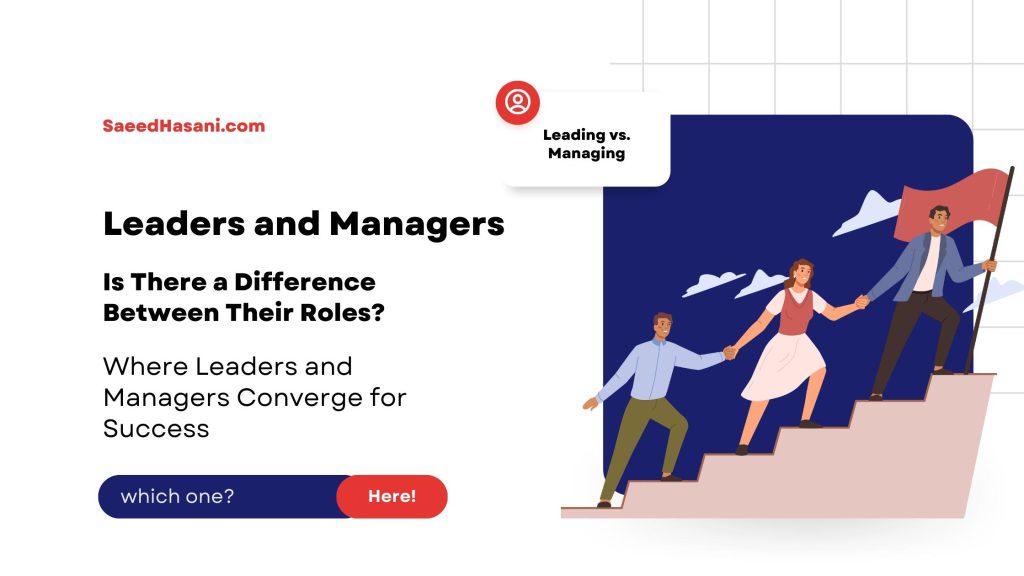
Organizational dynamics, the distinction between leaders and managers, form the essence of a company’s structure. Often interchangeable but inherently distinct, these roles hold the keys to creating a harmonious and prosperous work environment.
While their functions may overlap, understanding the fundamental differences between leaders and managers is essential to orchestrating a seamless collaboration. In this short article, we will discover the main differences between leaders and managers and learn about effective leadership and management.
Content Overview:
What is Leadership?
Leadership is the ability to guide, influence, and inspire others towards achieving common goals. It’s not just about being in charge or having authority; it’s about setting a positive example, motivating your team, and making decisions that benefit everyone.
Effective leaders listen, communicate clearly, and show empathy. They recognize and nurture the strengths of their team members, creating an environment where everyone can thrive.
Whether it’s in a business, a community group, or a family, leadership is about bringing out the best in others and steering the group toward success.
What is Management?
Management is all about organizing and coordinating activities to achieve specific goals. Think of it as the practical side of getting things done.
Managers plan, set objectives, and allocate resources like time, money, and people. They monitor progress, solve problems, and make adjustments as needed to keep everything on track.
Good management involves a mix of skills: effective communication, problem-solving, decision-making, and the ability to motivate and lead a team.
While leadership is about inspiring and guiding people, management focuses on creating structure and processes to ensure tasks are completed efficiently and effectively. In any organization, both good leadership and management are essential for success.
What’s the Difference Between Leaders and Managers?
The terms “leader” and “manager” are frequently interchanged, yet they carry distinct implications that shape the fabric of a company.
While these roles often overlap, understanding their fundamental differences is pivotal for fostering a harmonious work environment. Let’s delve into the core disparities that set leaders and managers apart:
Emphasis on Direction:
Leaders are chiefly concerned with charting a course by formulating a clear vision, galvanizing teams, and steering them toward long-range objectives. They exemplify the “why” behind actions and embody the organization’s overarching direction.
Managers, on the other hand, focus on the tactical intricacies of daily operations. Their role revolves around orchestrating tasks, optimizing resource allocation, and ensuring timely completion. Managers are preoccupied with the “how” of execution.
Vision and Implementation:
Leaders: It falls to leaders to articulate the organization’s mission, strategy, and aspirational goals. They provide the overarching blueprint and illuminate the more considerable significance behind team efforts.
Managers: Managers pivot towards executing the plans conceived by leaders. They break down the grand vision into actionable components, delegate responsibilities, and supervise the implementation details.
Leaders and managers have differences in Vision and Implementation.
Catalysts for Innovation and Change:
Leaders: Innovation and change are often spearheaded by leaders who foster an environment conducive to creativity. They champion novel ideas, encouraging calculated risks that propel the organization forward.
Managers: Managers, in contrast, are the custodians of stability, adhering to established processes. Directives from leaders or practical operational needs typically prompt changes in operations.
Interpersonal Dynamics:
Leaders: Leaders cultivate profound connections with team members, exuding approachability, empathy, and understanding. They prioritize personal growth, nurturing trust and allegiance among the workforce.
Managers: Managers uphold professional relationships with their teams, focusing on task-oriented interactions. Their engagements encompass performance evaluations, feedback, and resource management.
Leaders and managers have differences in Interpersonal Dynamics.
Sources of Influence:
Leaders: Influential leaders draw their power from personal attributes, expertise, and ability to inspire and guide others. Their impact isn’t limited by formal authority but is rooted in earned respect and followership.
Managers: Managers derive their influence from their position’s formal authority within the organizational hierarchy. Their sway is often tied to their role’s responsibilities.
Temporal Perspectives:
Leaders: Leaders contemplate the organization’s long-term strategic objectives and its sustainable expansion.
Managers: Managers channel their efforts into short-term goals and tasks, contributing to the overarching long-term goals set forth by leaders.
In practice, an influential organization harmonizes both leadership and management prowess. Many accomplished leaders exhibit adept management skills, and successful managers can seamlessly incorporate leadership qualities.
Striking the proper equilibrium between these roles hinges on the organization’s unique context and requirements.
What are the Similarities Between Leadership and Management?
Leadership and management share a lot of common ground, even though they focus on different aspects of guiding people and organizations. Here are some key similarities:
- Goal-oriented: Both leaders and managers aim to achieve specific objectives. They set targets and work towards reaching them, whether it’s completing a project or growing a business.
- Decision-Making: Both roles involve making important decisions that affect the direction and success of the organization. They assess situations, consider options, and choose the best course of action.
- Problem-Solving: Leaders and managers need to tackle challenges and find solutions to problems that arise. They analyze issues, think creatively, and implement effective strategies to overcome obstacles.
- Communication: Effective communication is crucial for both. They must clearly convey information, expectations, and feedback to their teams. Good communication helps in aligning everyone towards common goals.
- Motivating Others: Both roles involve motivating and inspiring others to perform at their best. They encourage teamwork, recognize achievements, and create a positive work environment.
- Influence: Whether through authority or inspiration, both leaders and managers influence the behavior and attitudes of their team members. They guide and shape how people work and interact.
- Strategic Thinking: Both need to think strategically about the future. They plan ahead, anticipate changes, and adapt their approaches to stay on track and achieve long-term success.
While leadership and management have distinct focuses, they overlap in many ways. Both are essential for the smooth functioning and growth of any organization.
What are the Traits a Manager Possesses?
A great manager possesses a variety of traits that enable them to effectively lead their team and achieve organizational goals. Here are some key traits that effective managers typically have:
- Strong Communication Skills: A good manager clearly conveys information, expectations, and feedback. They listen actively and ensure open lines of communication within the team.
- Organizational Skills: Effective managers are well-organized. They can plan, prioritize, and delegate tasks efficiently to ensure everything runs smoothly.
- Decision-Making Ability: They make informed decisions quickly and confidently, even under pressure. Good managers weigh options carefully and consider the potential impact on their team and the organization.
- Leadership: Managers need to inspire and motivate their team. They lead by example, setting a positive tone and fostering a collaborative and inclusive work environment.
- Problem-Solving Skills: Effective managers are adept at identifying problems, analyzing situations, and implementing solutions. They can navigate challenges and find ways to overcome obstacles.
- Empathy: Understanding and considering the emotions and perspectives of team members is crucial. Empathetic managers build strong relationships and support their team’s well-being.
- Adaptability: The ability to adapt to changing circumstances and stay flexible is important. Good managers can pivot and adjust plans as needed to meet new challenges.
- Time Management: They manage their time effectively and help their team do the same. This involves setting realistic deadlines and ensuring tasks are completed on time.
- Accountability: Great managers take responsibility for their actions and decisions. They hold themselves and their team accountable for meeting goals and maintaining standards.
- Delegation Skills: They know how to delegate tasks appropriately, trusting their team members with responsibilities and empowering them to take ownership of their work.
- Conflict Resolution: Effective managers handle conflicts calmly and fairly. They mediate disputes and find solutions that maintain harmony and productivity within the team.
- Analytical Thinking: They have strong analytical skills to assess situations, identify trends, and make data-driven decisions.
- Visionary Thinking: Good managers have a clear vision for the future and can align their team’s efforts with the organization’s long-term goals.
- Integrity: Honesty and ethical behavior are fundamental. Trustworthy managers build a culture of integrity and respect within their team.
- Mentorship: They invest in their team’s growth and development, providing guidance, feedback, and opportunities for professional development.
These traits help managers create a productive and positive work environment, enabling their team to thrive and achieve success.
What are the Traits a Leader Possesses?
Great leaders possess a range of traits that enable them to inspire, guide, and support their teams effectively. Here are some key traits that effective leaders typically have:
- Visionary Thinking: Leaders have a clear vision for the future and the ability to inspire others to work towards that vision. They see the big picture and set strategic goals.
- Empathy: Understanding and considering the emotions, perspectives, and needs of others is crucial. Empathetic leaders build strong, trusting relationships and foster a supportive team environment.
- Integrity: Honesty and strong moral principles are fundamental. Leaders with integrity earn the trust and respect of their team by consistently acting ethically and transparently.
- Effective Communication: Leaders communicate clearly and effectively. They articulate their vision, provide feedback, and listen actively to their team members.
- Inspiration and Motivation: Leaders inspire and motivate their team to achieve their best. They create a positive atmosphere and encourage a shared sense of purpose.
- Adaptability: The ability to adapt to changing circumstances and remain flexible is essential. Effective leaders navigate change smoothly and help their team do the same.
- Confidence: Leaders exude confidence in their decisions and actions. This confidence instills trust and assurance in the team.
- Decisiveness: Good leaders make informed decisions promptly and stand by them. They weigh options carefully and consider the potential impact on their team and organization.
- Accountability: Leaders take responsibility for their actions and decisions. They hold themselves and their team accountable for meeting goals and maintaining standards.
- Resilience: The ability to bounce back from setbacks and stay focused on the end goal is vital. Resilient leaders maintain a positive outlook and persevere through challenges.
- Humility: Leaders recognize their limitations and are open to feedback and learning. Humble leaders acknowledge the contributions of their team and share credit for successes.
- Creative Thinking: Leaders think outside the box and encourage innovation. They are open to new ideas and approaches to solving problems.
- Mentorship: They invest in the growth and development of their team members, providing guidance, support, and opportunities for advancement.
- Collaboration: Effective leaders promote teamwork and collaboration. They build a sense of community and encourage the exchange of ideas and skills.
- Emotional Intelligence: Leaders are aware of their own emotions and those of others. They manage emotions effectively to create a positive work environment.
These traits help leaders create a strong, cohesive, and motivated team, driving them toward success and fostering a culture of trust, respect, and innovation.
Management Skills vs. Leadership Skills
Management and leadership skills are vital in effectively steering teams and organizations. Although they share the goal of guiding groups toward success, they encompass distinct abilities and emphasize different facets of leadership.
Management skills vs. Leadership skills are one of the topics that leaders and managers should pay attention to. Let’s delve into the distinctions between these two crucial skill sets:
Management Skills:
1. Planning and Organization: Managers meticulously strategize and arrange tasks, resources, and schedules to ensure optimal efficiency and timely task completion.
2. Decision-Making: Managers leverage available data to make informed choices. They assess options, deliberate alternatives, and select the best path for the team or organization.
3. Problem-solving: Addressing diverse challenges is a manager’s forte. They dissect problems, identify underlying causes, and engineer solutions to surmount emerging issues.
4. Delegating Tasks: Managers assign responsibilities based on team members’ proficiencies, knowledge, and workload. They guarantee equitable distribution of tasks aligned with team goals.
5. Monitoring and Control: Managers oversee progress, evaluate performance, and verify that projects adhere to plans. They intervene if deviations from the blueprint arise.
6. Resource Management: Managers allocate and oversee resources, including budgets, equipment, and personnel, to realize organizational objectives.
7. Enhancing Efficiency: Managers streamline workflows and processes to elevate efficiency and productivity within the team or organization.
Leadership Skills:
1. Vision and Inspiration: Leaders paint compelling future visions, motivating their teams to work passionately toward these aspirations. They communicate purpose and direction effectively.
2. Effective Communication: Proficient leaders excel in communication. They actively listen, articulate ideas clearly, and foster robust relationships with team members.
3. Motivation: Leaders kindle motivation and empowerment among team members. Acknowledging strengths, offering positive feedback, and nurturing ownership in tasks are their hallmarks.
4. Influence and Persuasion: Leaders sway others through empathy, persuasion, and convincing individuals to embrace specific courses of action.
5. Adaptability: Leaders thrive amidst uncertainty, adeptly guiding teams through challenges and transformations with their adaptable approach.
6. Fostering Collaboration: Leaders cultivate a collaborative milieu where team members synergize effectively, leveraging each other’s strengths to accomplish shared objectives.
7. Empathy: Effective leaders grasp team members’ needs, concerns, and motivations. They exhibit empathy, providing support whenever necessary.
8. Ethical and Moral Integrity: Leaders often set ethical benchmarks, epitomizing moral values within the organization. Their decisions align with the organization’s principles.
In essence, management skills revolve around practical execution and operational efficiency, while leadership skills motivate and guide individuals and teams toward a collective vision.
Although these skills may intersect, successful leaders typically balance management and leadership skills, propelling organizations forward effectively.

How to Measure Effective Leadership?
Measuring effective leadership can be a bit tricky because it’s not just about hitting targets or meeting deadlines. It’s about the impact a leader has on their team and the organization as a whole. Here are some key ways to gauge effective leadership:
- Team Performance: Look at how well the team is doing. Are they meeting or exceeding their goals? High performance often reflects strong leadership.
- Employee Engagement: Check the level of engagement and satisfaction among team members. Effective leaders create an environment where people feel motivated, valued, and excited about their work.
- Retention Rates: Low turnover rates can indicate good leadership. If people are sticking around, it means they likely feel supported and appreciated.
- Feedback and Surveys: Regularly ask for feedback from team members. Anonymous surveys can provide honest insights into how the leader is perceived and where there might be room for improvement.
- Achievement of Goals: Assess how well the leader meets the organization’s goals and objectives. This includes not just the end results, but also the processes and strategies used to get there.
- Innovation and Improvement: Effective leaders encourage innovation and continuous improvement. Look for signs that the team is coming up with new ideas and making positive changes.
- Conflict Resolution: How well does the leader handle conflicts and challenges? Effective leaders address issues promptly and fairly, maintaining a healthy work environment.
- Communication Skills: Evaluate the clarity, consistency, and effectiveness of the leader’s communication. Good leaders keep everyone informed and foster open dialogue.
- Development of Team Members: Check if team members are growing in their roles. Effective leaders invest in their team’s development, helping them build new skills and advance their careers.
- Organizational Culture: Observe the overall culture and morale within the organization. A positive, inclusive, and productive culture often points to effective leadership at the top.
Effective leadership can be measured by looking at both tangible results and the overall well-being and growth of the team. It’s about balancing the achievement of goals with creating a positive and supportive work environment.
How to Measure Effective Management?
Measuring effective management involves looking at both the tangible outcomes and the processes that lead to those outcomes. Here are some key ways to gauge effective management:
- Achievement of Objectives: Effective managers consistently meet or exceed the goals and objectives set for their team or department. This can be tracked through performance metrics, project completion rates, and overall productivity.
- Efficiency: Look at how well resources (time, money, and personnel) are used. Effective managers maximize resources, ensuring tasks are completed efficiently without unnecessary waste.
- Budget Management: Staying within budget is a crucial indicator. Effective managers plan and control finances carefully, avoiding overspending and ensuring financial resources are used wisely.
- Quality of Work: Assess the quality of output produced by the team. High standards and minimal errors or rework are signs of effective management.
- Meeting Deadlines: Consistently hitting deadlines indicates good planning and time management skills. Effective managers ensure projects are completed on schedule.
- Team Productivity: Measure the productivity levels of the team. Effective managers create an environment where team members can perform at their best.
- Employee Satisfaction: High levels of job satisfaction and morale among team members suggest effective management. Satisfied employees are more likely to be productive and stay with the company.
- Communication and Collaboration: Evaluate how well the manager facilitates communication and collaboration within the team. Effective managers ensure everyone is on the same page and working together smoothly.
- Problem-Solving: Look at how the manager handles challenges and obstacles. Effective managers quickly identify issues, develop solutions, and implement them successfully.
- Employee Development: Check if team members are growing in their roles. Effective managers provide opportunities for professional development, helping their team members build new skills and advance their careers.
- Customer Satisfaction: If the manager’s team interacts with customers, high customer satisfaction can be a good indicator of effective management.
- Adaptability: Assess how well the manager adapts to changes and unexpected situations. Effective managers are flexible and can adjust plans as needed to stay on track.
Effective management can be measured by looking at the achievement of goals, efficiency in resource use, quality of work, employee satisfaction, and the ability to solve problems and adapt to change. It’s about balancing results with maintaining a positive and productive work environment.
How to Develop Leadership and Management Skills?
Developing leadership and management skills is a continuous journey that involves learning, practice, and reflection. Here are some practical steps to help you grow in these areas:
- Seek Feedback: Regularly ask for feedback from your peers, mentors, and team members. Understanding how others perceive your strengths and areas for improvement is crucial for growth.
- Learn Continuously: Invest in your education by taking courses, attending workshops, and reading books on leadership and management. Staying updated with the latest trends and theories can give you new perspectives and tools.
- Practice Active Listening: Good leaders and managers listen more than they speak. Practice active listening to understand your team’s needs, concerns, and ideas better.
- Set Clear Goals: Both for yourself and your team. Clear, achievable goals help keep everyone focused and motivated. Make sure to track progress and celebrate milestones.
- Develop Emotional Intelligence: Understanding and managing your emotions, and being aware of others’ feelings, is key to effective leadership and management. Work on skills like empathy, self-regulation, and social awareness.
- Build Strong Relationships: Networking and building relationships within and outside your organization can provide support, advice, and opportunities for collaboration.
- Delegate Effectively: Learn to delegate tasks appropriately. Trust your team members with responsibilities and empower them to take ownership of their work.
- Improve Decision-Making Skills: Practice making decisions based on data, analysis, and intuition. Reflect on the outcomes to understand what worked and what didn’t.
- Develop Conflict Resolution Skills: Learn techniques for resolving conflicts in a fair and constructive manner. This helps maintain a positive and productive work environment.
- Enhance Communication Skills: Clear and effective communication is essential. Practice writing and speaking clearly, and work on delivering your message in a way that’s easily understood.
- Embrace Change: Be open to change and adapt quickly to new situations. Flexibility and a positive attitude toward change can inspire your team to follow your lead.
- Mentor and Be Mentored: Seek out mentors who can provide guidance and support, and also take the time to mentor others. Teaching and mentoring can reinforce your own learning.
- Reflect and Adapt: Regularly reflect on your experiences, what you’ve learned, and how you can apply those lessons moving forward. Adapt your approach based on what works best for you and your team.
By consistently working on these areas, you’ll gradually develop stronger leadership and management skills. Remember, it’s a journey that involves ongoing learning and growth.
How to Lead Managers?
Leading managers involve a mix of effective communication, collaboration, and fostering a positive work environment. Here are some tips to help you lead managers successfully:
- Open Communication: Establish an environment where open and honest communication is encouraged. Regularly check in with your managers to discuss challenges, successes, and concerns. Be approachable and receptive to their feedback.
- Set Clear Expectations: Clearly define roles, responsibilities, and expectations for each manager. Make sure they understand their goals and how their work contributes to the overall success of the team and organization.
- Delegate Authority: Give managers the autonomy to make decisions within their domains. Trust their expertise and empower them to solve problems and take ownership of their teams’ performance.
- Provide Support: Offer guidance, resources, and assistance when needed. Your role is to facilitate their success, so be ready to provide coaching and mentoring to help them grow professionally.
- Recognize Achievements: Acknowledge and celebrate the achievements of your managers and their teams. Recognition boosts morale and motivation, encouraging them to continue performing at their best.
- Collaborate: Foster a collaborative environment where managers share ideas and insights with each other. Encourage them to collaborate on cross-functional projects to promote a sense of unity and a broader perspective.
- Lead by Example: Model the behavior and work ethic you expect from your managers. Show dedication, professionalism, and a positive attitude, which will inspire them to do the same.
- Provide Growth Opportunities: Offer opportunities for skill development and advancement. Discuss career paths, training programs, and projects that can help them enhance their skills and move up within the organization.
- Problem-Solving: Help managers navigate challenges by offering guidance without necessarily dictating solutions. Encourage them to think critically and find innovative ways to address issues.
- Feedback and Development: Regularly provide constructive feedback on their performance. Focus on their strengths while suggesting areas for improvement. Create development plans to help them continually enhance their skills.
- Handle Conflict Gracefully: When conflicts arise, address them promptly and professionally. Help managers resolve conflicts within their teams and provide guidance on effective conflict resolution strategies.
- Work-Life Balance: Encourage a healthy work-life balance among your managers. Demonstrate that you value their well-being and emphasize the importance of self-care to prevent burnout.
- Adaptability: Be flexible and adaptable in your leadership style. Different managers may require different approaches based on their personalities, strengths, and challenges.
- Stay Informed: Keep up-to-date with industry trends and changes that might impact your managers’ work. This knowledge will allow you to provide relevant guidance and support.
- Celebrate Diversity: Embrace the diverse perspectives and backgrounds of your managers. Create an inclusive environment where everyone feels valued and respected.
Remember, leadership is a dynamic process that requires continuous improvement and adjustment. By nurturing a supportive and collaborative culture, you’ll be well on your way to effectively leading your managers and helping them excel in their roles.
Can a Manager Be a Leader?
Absolutely, a manager can also be a leader. In fact, the best managers are those who also possess strong leadership qualities.
Think of a manager as someone who’s in charge of a team or a group of people. They handle tasks like organizing work, setting goals, and making sure things run smoothly.
Now, a leader, on the other hand, goes beyond just managing tasks. A leader inspires and guides their team. They set a positive example, motivate people, and help them grow.
So, the cool thing is, that a manager can totally be a leader too. In fact, when a manager adds leadership skills to their toolkit, they become like a superhero for their team. They don’t just make sure things get done, they make sure everyone is excited to do their best and reach for the stars.
Being a leader as a manager means you listen to your team, support their ideas, and help them develop their strengths. You’re not just the boss; you’re someone they trust and look up to. You create an environment where people are happy to work together and where everyone’s ideas count.
So yeah, being a manager is like driving a car, making sure it’s on the right road. But being a leader is like giving that car a turbo boost, taking everyone on an awesome journey and making sure they enjoy every step of it. And that’s a pretty awesome combo!
Can Organizations Develop Leaders?
Organizations can develop leaders! Investing in leadership development is crucial for long-term success and growth. Here are some ways organizations can cultivate leadership skills among their employees:
- Leadership Training Programs: Offer structured training programs that focus on essential leadership skills such as communication, decision-making, and conflict resolution. These programs can be in-house or through external providers.
- Mentorship and Coaching: Pair employees with experienced mentors or coaches who can provide guidance, share their experiences, and offer constructive feedback. This one-on-one support can be invaluable for personal and professional growth.
- Encourage Continuous Learning: Promote a culture of continuous learning by providing access to workshops, seminars, webinars, and online courses. Encourage employees to pursue further education and certifications.
- Job Rotations and Stretch Assignments: Rotate employees through different roles and departments to expose them to various aspects of the organization. Stretch assignments that challenge employees beyond their current responsibilities can also help develop new skills and perspectives.
- Feedback and Performance Reviews: Implement regular feedback and performance review processes. Constructive feedback helps employees understand their strengths and areas for improvement, guiding their development journey.
- Leadership Shadowing: Allow aspiring leaders to shadow current leaders within the organization. This hands-on experience provides insights into leadership styles, decision-making processes, and day-to-day responsibilities.
- Empower and Delegate: Give employees opportunities to take on leadership roles in projects and initiatives. Delegating meaningful responsibilities helps them build confidence and practical leadership skills.
- Create a Leadership Development Plan: Work with employees to create personalized development plans that outline specific goals, milestones, and timelines for their leadership growth.
- Promote a Leadership Culture: Foster a culture that values and recognizes leadership at all levels. Encourage employees to take initiative, collaborate, and contribute ideas.
- Provide Resources and Tools: Equip employees with the resources and tools they need to develop their leadership skills. This can include access to leadership books, articles, online forums, and leadership assessment tools.
- Encourage Networking: Facilitate networking opportunities within and outside the organization. Building relationships with peers, industry experts, and thought leaders can provide valuable insights and support.
- Recognize and Reward Leadership: Acknowledge and reward employees who demonstrate strong leadership qualities. Recognition can be in the form of promotions, awards, or public acknowledgment.
By implementing these strategies, organizations can create an environment where leadership development is a continuous and integral part of the company culture.
This not only benefits individual employees but also strengthens the organization as a whole, ensuring a pipeline of capable leaders for the future.
Conclusion
The roles of leaders and managers may be intertwined, their unique characteristics shaping the course of an organization. With their visionary power and transformative influence, leaders set the compass toward long-term goals.
While managers, with their detailed planning and operational insight, steer the ship in the daily sea of tasks and challenges.
The interaction between these roles is not a mere duality, but the coexistence of these two brings positive results. An effective organization recognizes that the best results emerge when leadership and management converge, where inspiring vision is combined with strategic execution.
Successful leaders integrate management skills seamlessly, just as successful managers adopt leadership qualities and create a holistic approach that promotes individual growth and collective progress.
Ultimately, the art of leadership and management is about finding balance. It’s about weaving the threads of empathy, efficiency, influence, and strategy into a tapestry that fosters innovation, empowers teams, and propels organizations to greatness.
As the organizational context evolves, understanding, appreciating, and adapting these roles becomes the compass that guides organizations toward sustained success.
If you enjoyed reading this article, it is better to send your friends the link to this article. In this way, they will learn about the differences between leadership and management.






Responses