
Agile Methodology: Comprehensive Guide + 10 Benefits and Beyond!


In the fast-paced world of software development, change is inevitable. That’s where Agile Methodology comes in—not just as a framework, but as a dynamic mindset. The Agile method is all about embracing flexibility, encouraging collaboration, and focusing on the customer.
Agile practices help teams adapt quickly and deliver value consistently, making them essential in today’s evolving industry. Imagine the Agile team as a well-oiled machine, where each part moves seamlessly with others to meet challenges head-on.
In this blog, I’ll explore how agile practices, the Agile method and an Agile team contribute to transforming software development. Let’s dive in and see how Agile is shaping the future.
Content Overview:
The Fundamentals of Agile Methodology
Agile methodology is more than just a project management approach—it’s a dynamic way of thinking that centers on flexibility, adaptability, and delivering real value. Unlike traditional rigid methods, Agile frameworks embrace change through a fluid, iterative process.
Agile processes emphasize breaking projects into manageable pieces—sprints or iterations—that allow us to adjust swiftly, based on user experience and feedback.
By prioritizing Agile values like collaboration, customer focus, and adaptability, we ensure that we’re always aligned with what the customer truly needs, embracing a dynamic approach that puts value delivery first.
Key concepts of Agile: iterations, collaboration, and customer-centricity
At its heart, Agile is about iterations, collaboration, and customer-centricity, all aimed at ensuring continuous and frequent delivery of value.
User stories are the backbone of development, guiding the team on what the customer needs.
Iterations are short bursts of focused work, allowing the development team to deliver potentially shippable increments consistently.
Frequent delivery and active collaboration are key Agile values, ensuring everyone—developers, testers, stakeholders—works together seamlessly to keep improving the product.
This customer-centric, iterative approach means we can adapt quickly to feedback, always aiming to deliver what truly matters to the user.
Agile Manifesto and its significance
This manifesto captures the essence of Agile with four core values: prioritizing interactions over processes, customer collaboration over rigid contracts, and adaptability over strict planning.
Agile practitioners use these values to focus on continuous delivery and meaningful results, fostering a flexible management style that supports both the team and the customer.
The manifesto’s twelve principles guide us in delivering frequently, embracing change, and maintaining sustainable progress. It’s the foundation of business agility, ensuring we stay aligned on what truly matters—collaborative, adaptable, and effective project management.
Benefits of Agile methodology in software development
Agile development brings some great benefits to software projects, and I’d love to highlight a few key points.
First, Agile teams thrive on rapid adaptation; we handle sudden changes in the development cycle effortlessly, keeping customer satisfaction high. Daily stand-ups are crucial—they enhance collaboration, ensuring everyone’s on the same page throughout the development process.
In Agile development methods like Feature-Driven Development, frequent deliveries ensure we align closely with customer needs.
Burndown charts and open communication make the progress of each iteration visible, driving transparency. This way, Agile ensures improved product quality, seamless teamwork, and, most importantly, satisfied customers.

Real-world examples showcasing the advantages
By following Agile principles, development teams can better navigate complex projects through iterative progress and adaptability. Agile frameworks ensure that teams are equipped to respond quickly to changes, fostering an environment of collaboration and continuous improvement.
Take Netflix, for example. They embraced the Agile process to evolve from a DVD rental service into a global streaming giant. Their swift adaptation to a changing tech landscape shows how Agile enables businesses to pivot and grow effectively.
Another success story is Epic Systems, a healthcare software company. Using an Agile approach, they improved their electronic health records (EHR) software, ultimately transforming patient care and making healthcare management more efficient.
Spotify also exemplifies the power of Agile principles. They structured their development teams into small, autonomous squads, allowing them to innovate rapidly and meet diverse user needs. This Agile framework has been key to their continuous growth and ability to provide a seamless user experience.
Agile isn’t just a project management method—it’s a game-changer. From adaptability and customer focus to collaboration and quality, the Agile approach has repeatedly proven its worth, as seen in these real-world examples.
Agile vs. Waterfall – A Comparative Analysis
The traditional approach to project management, like Waterfall, is all about creating a detailed project plan before starting. It’s similar to planning a road trip where you book every hotel and schedule every stop ahead of time. Once the journey starts, there’s little flexibility—you’re committed to that route.
Now, compare that to the Agile process. Instead of having every detail mapped out, Agile is like starting the journey with a general idea of your destination but staying open to changes.
You adjust plans as you discover new opportunities, making it a more effective method for delivering adaptable software products.
Traditional methods are structured and rigid, focusing on executing the original plan. Agile, however, encourages flexibility, making it a preferred choice for projects where feedback and evolving requirements are essential.
It allows teams to respond to real-time insights, ultimately leading to a better, more adaptive product.
Advantages and disadvantages of Waterfall and Agile
When it comes to software development projects, Waterfall and Agile have their own unique strengths and weaknesses. In the traditional Waterfall approach, predictability is key—like having a detailed recipe for every step.
This is useful when a software development team needs extensive documentation, especially in regulated industries. However, this rigidity can be a major drawback for complex projects where requirements often change. The lack of customer collaboration until the end also risks delivering a product that doesn’t fully meet expectations.
In contrast, Agile software development is built on adaptability. Agile project management emphasizes flexibility, continuous customer collaboration, and regular feedback loops, making it an effective method for ensuring the software meets evolving needs.
This process helps deliver value faster, maintain technical excellence, and foster transparency within the development team. Agile projects are open and adaptive, ideal for responding to the uncertainties that come with complex projects.
Ultimately, Agile often shines because of its ability to respond to changes and keep customers involved, leading to a more successful outcome for software development projects.
Agile Methodology in Action
Agile methodology is all about adapting and delivering valuable software through incremental development. Let me share some real-world examples of how Agile principles have led to high-quality results.
Spotify adopted Agile by creating small, autonomous squads, each responsible for a part of the product. This approach allowed them to rapidly adapt and deliver personalized music experiences, keeping their listeners engaged.
Amazon also used Agile principles to expand beyond books, applying it across their operations to quickly roll out new features and services. Their ability to innovate at such a pace shows how effective incremental development can be.
Airbnb utilized Agile to continuously enhance its platform, adjusting to user needs and staying ahead of market trends. With frequent updates, they became a global leader in the sharing economy, providing a seamless experience for millions.
These examples highlight how Agile methodology, focused on adaptability and delivering value, leads to high-quality software that meets user needs effectively.
Case studies of Agile’s impact on project outcomes
Let me share a few case studies that highlight how the Agile approach can significantly improve project outcomes, especially in complex projects.
The FBI’s Virtual Case File (VCF) project initially struggled with cost overruns and delays under the traditional Waterfall approach. When they adopted the Agile software development methodology, they prioritized critical features and delivered them faster, leading to a successful case management system and better efficiency.
Salesforce embraced Agile software development across the company, resulting in quicker releases and higher customer satisfaction. Agile practices allowed them to align more closely with customer needs, turning their software into a product that consistently delivered value.
General Electric used Agile project management for their complex projects by breaking them into smaller, manageable components. Cross-functional teams worked on these parts collaboratively, reducing risks and enhancing project outcomes.
These examples show how Agile software development practices drive customer satisfaction and deliver tangible value across industries. It’s not just a buzzword—Agile is a powerful tool for achieving success in complex projects.
Addressing the Disadvantages of Agile
Agile is like a high-speed sports car—it’s sleek, adaptable, and catches everyone’s attention. But it comes with its own set of challenges, especially when managing project requirements and customer expectations.
First, Agile’s rapid changes can feel overwhelming. While adapting to the current status of a project is key, constant shifts can make effective collaboration challenging, especially in a complex environment.
Customer involvement is crucial for meeting expectations, but not all clients have the time or ability to participate as much as needed. It’s like trying to keep everyone engaged when their priorities differ.
Another challenge is documentation. Agile often focuses on delivering key features over detailed documentation, which can leave future teams without a clear guide.
Lastly, the fast-paced nature of Agile can lead to team burnout if workloads aren’t managed properly. Keeping a balance is crucial to maintaining productivity and enthusiasm in the team.
Despite these challenges, Agile’s flexibility and focus on collaboration make it an effective approach when used wisely.
Strategies to mitigate Agile’s disadvantages
Now, let’s talk about how to keep that Agile sports car running smoothly without skidding off the road.
1. Embrace Hybrid Approaches: Agile doesn’t mean you have to throw out everything else. Sometimes, blending Agile with more structured approaches (like Waterfall) can help strike a balance. It’s like adding a touch of classic rock to your pop playlist.
2. Set Clear Expectations: Make sure everyone, especially your customers, understands what Agile entails. Clarify their roles and responsibilities to ensure active participation. Think of it like setting the rules before a game; it prevents confusion later.
3. Don’t Skip on Documentation Entirely: Agile’s love for working software is fantastic, but don’t forget to document essential aspects. Create just enough documentation to keep your project well-documented without overdoing it. It’s like jotting down the critical ingredients of your secret sauce.
4. Watch for Burnout: Agile isn’t a sprint; it’s more like a series of manageable marathons. Keep an eye on your team’s workload and well-being. Regular retrospectives can help identify and address burnout before it becomes a problem.
Agile is like that high-performance sports car that needs the right driver and some tune-ups now and then. Acknowledge the challenges, but with the right strategies, you can enjoy the thrill of Agile while avoiding the pitfalls.
Agile in Software Development
Let’s chat about Agile in the world of software development.
Specific benefits of Agile in software development
Alright, let’s talk turkey. Agile in software development is like having a magical toolbox filled with tools that make your life easier. Here are some specific benefits:
- Faster Time-to-Market: Agile is like the Usain Bolt of software development. It gets your product out there quicker by breaking the project into smaller, manageable chunks.
- Customer Satisfaction: Agile puts your customers in the driver’s seat. They get to provide feedback early and often, ensuring that the final product is exactly what they wanted. It’s like custom-tailoring a suit; it fits perfectly.
- Flexibility and Adaptability: Agile is the software equivalent of a chameleon. It can change direction and color quickly. When new requirements pop up or priorities shift, Agile can adapt without breaking a sweat.
- Transparency: Agile is like a glass-bottom boat in crystal-clear waters. It provides transparency into the project’s progress, so there are no nasty surprises lurking beneath the surface.
Agile methodologies such as Scrum, Kanban, and Extreme Programming (XP)
Think of Agile methodologies as different flavors of ice cream. They all fall under the Agile umbrella but offer unique tastes and textures:
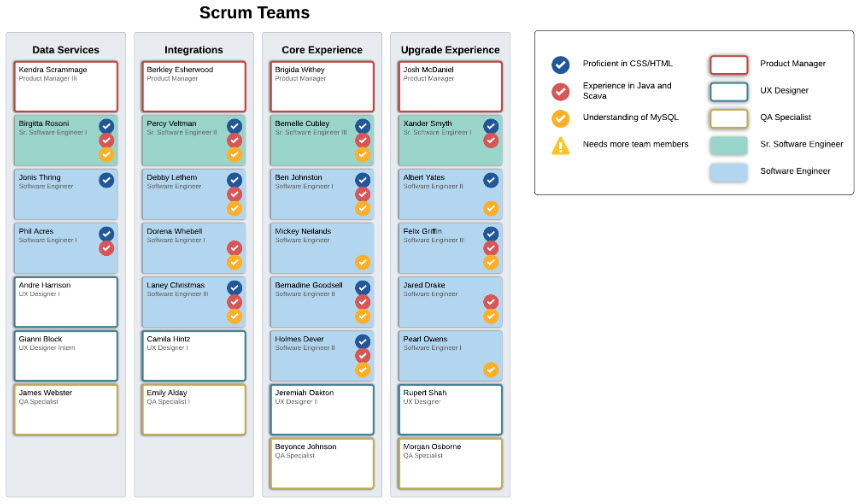
- Scrum: Scrum is like a well-organized relay race. It divides your project into time-boxed sprints, typically 2-4 weeks long. You have daily stand-up meetings to keep everyone on track, and at the end of each sprint, you’ve got a potentially shippable product increment.
- Kanban: Kanban is like a sushi conveyor belt. It’s all about visualizing your work on a board and limiting work-in-progress. You pull tasks as you have capacity, ensuring a smooth and steady flow of work.
- Extreme Programming (XP): XP is like the adrenaline junkie of Agile. It’s all about fast feedback, continuous integration, and test-driven development. Think of it as the roller coaster ride of Agile methodologies.
Agile’s role in addressing software development challenges
Agile isn’t just a buzzword; it’s a superhero cape for software development challenges. Here’s how:
- Managing Changing Requirements: Software requirements are as fickle as the weather. Agile’s flexibility allows you to adapt to changing requirements without derailing the project. It’s like changing your outfit based on the weather forecast.
- Quality Assurance: Agile takes quality seriously. With its emphasis on regular testing and continuous improvement, you’re like a chef tasting your dish throughout cooking to make sure it’s perfect.
- Communication Breakdowns: Agile promotes collaboration. Regular meetings and open communication channels prevent misunderstandings and keep everyone on the same page. It’s like having a chat with your team every day to ensure everyone’s aligned.
- Unpredictable Challenges: In software, you never know when a bugzilla-sized problem might rear its head. Agile’s iterative approach allows you to address issues incrementally, like fighting off a swarm of mosquitoes one at a time.
Agile in software development is like having a Swiss Army knife for tackling project challenges. It’s all about speed, adaptability, and keeping the customer smiling.
Agile Methodology Beyond Software Development
Let’s talk about how Agile isn’t just for software development and how it can be a game-changer in various industries.
Exploring the applicability of Agile in various industries
Alright, Project Manager, here’s the scoop: Agile isn’t just a one-trick pony for software. It’s like that versatile tool you keep in your toolbox and use in different situations. Here’s how Agile can stretch its legs in various industries:
- Manufacturing: In manufacturing, Agile can be the secret sauce for optimizing production lines. It helps in responding quickly to changes in demand, reducing waste, and improving product quality. It’s like having a lean, mean production machine.
- Marketing and Advertising: The world of marketing is all about being responsive to trends and customer feedback. Agile principles can help marketing teams launch campaigns, test strategies, and adjust on the fly. It’s like running a marketing marathon with pit stops for refueling and course corrections.
- Healthcare: Even in healthcare, Agile is making waves. Hospitals use Agile methodologies to improve patient care, streamline administrative processes, and adapt to changing regulations. It’s like performing surgery with precision and flexibility.
- Education: Agile’s adaptive nature is a great fit for education. It’s used in curriculum development, where educators can adjust the content and teaching methods based on student feedback. It’s like customizing each student’s learning journey.
- Construction: Yes, even in construction, Agile can shine. It helps project teams adapt to changes, manage resources more efficiently, and deliver projects on time and within budget. It’s like building a skyscraper one floor at a time, adjusting as you go.
Benefits of Agile in non-software domains
Now, let’s talk about the goodies that Agile brings to the party in these non-software domains:
- Faster Adaptation: In any industry, change is the only constant. Agile’s ability to adapt quickly helps organizations stay ahead of the curve and remain competitive.
- Customer-Centricity: Whether you’re building cars or teaching students, your customers’ needs matter. Agile ensures that you’re always delivering what your customers truly want.
- Enhanced Collaboration: Agile fosters teamwork and collaboration among different departments or stakeholders. It’s like having everyone in the same boat, rowing in the same direction.
- Efficiency and Transparency: Non-software industries can benefit from Agile’s focus on efficiency and transparency. You can track progress, identify bottlenecks, and make data-driven decisions.
- Quality Improvement: Just like in software, Agile in non-software domains ensures that quality is a top priority. It’s like making sure the ingredients in your dish are top-notch before serving it.
Agile isn’t a one-trick pony. It’s a versatile superstar that can shine in various industries. If you can adapt and apply its principles creatively, you might just find yourself leading the charge in a whole new world of project management.
Conclusion
In conclusion, Agile methodology offers a transformative approach to modern software development, characterized by its agility, customer-centricity, and commitment to excellence. Its key benefits, including rapid adaptation, enhanced collaboration, customer satisfaction, and improved efficiency and quality, make it a compelling choice for organizations navigating the ever-changing digital landscape.
It’s not just a methodology; it’s a mindset shift that empowers organizations to thrive amidst uncertainty. Therefore, organizations are encouraged to embrace Agile as not just the best approach but the future of software development, guiding them toward innovation, customer delight, and meaningful solutions.





Responses