
From Concept to Conversion: A Comprehensive Guide to Crafting High-Performing Video Marketing Campaigns


Video marketing has become an essential strategy for businesses looking to engage audiences, drive conversions, and build brand awareness. With increasing video consumption across digital platforms, crafting an effective video marketing campaign can set businesses apart from competitors. This guide explores the step-by-step process to create high-performing video marketing campaigns that convert.
Content Overview:
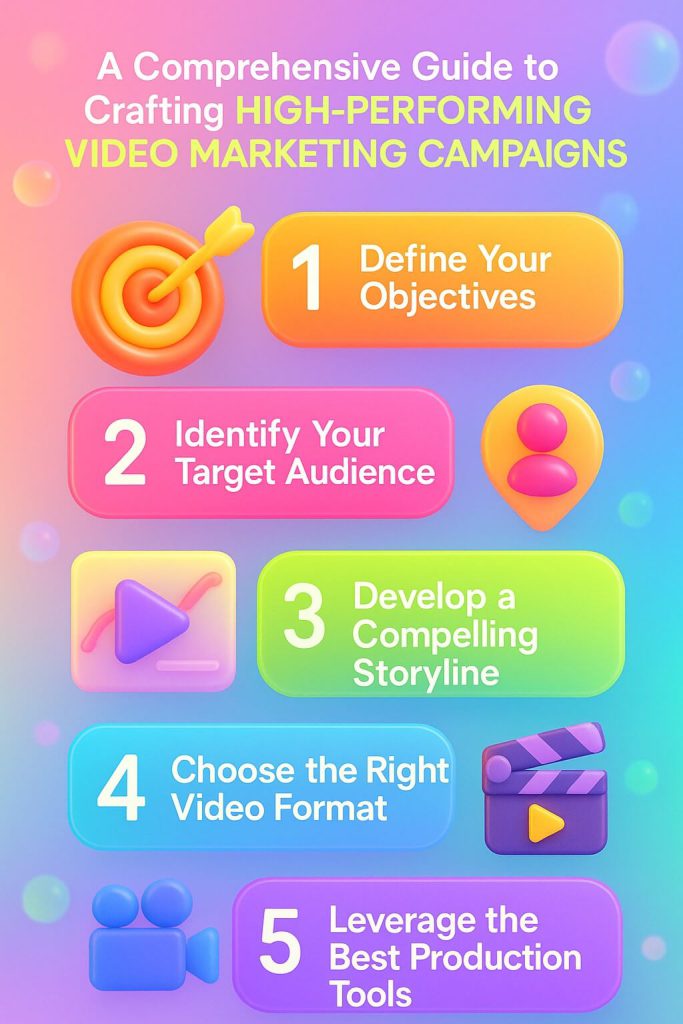
Step 1: Define Your Objectives
Every successful video marketing campaign starts with clear objectives. Before producing any content, determine what you want to achieve. Common objectives include:
- Increasing brand awareness
- Driving website traffic
- Generating leads
- Boosting sales
- Enhancing customer engagement
Having a clear goal helps shape the messaging, tone, and format of the video content.
Step 2: Identify Your Target Audience
Understanding your audience is critical to creating content that resonates with them. Research your ideal customers based on demographics, interests, behaviors, and pain points. Consider factors such as:
- Age group
- Geographic location
- Preferred social media platforms
- Buying behavior
By tailoring content to specific audience segments, businesses can increase engagement and conversion rates.
Step 3: Develop a Compelling Storyline
Storytelling is at the heart of impactful video marketing. A well-crafted narrative captivates viewers and strengthens brand messaging. Key elements of a compelling storyline include:
- A strong hook in the first few seconds
- A relatable problem or challenge
- A clear solution offered by your brand
- A call-to-action (CTA) that guides viewers on the next step
Emotional storytelling helps build connections with the audience, making the brand more memorable.
Step 4: Choose the Right Video Format
There are various video formats to choose from, depending on campaign goals and platform preferences. Popular video types include:
- Explainer Videos: Simplify complex topics or showcase products/services.
- Tutorials & How-To Videos: Educate the audience on specific processes.
- Product Demonstrations: Highlight features and benefits.
- Testimonials & Case Studies: Build credibility through real customer experiences.
- Live Videos: Engage with audiences in real time.
- Short-Form Videos: Quick, engaging clips for social media.
Selecting the appropriate format ensures that the message aligns with the audience’s consumption habits.
Step 5: Leverage the Best Production Tools
To create professional-quality videos, businesses must utilize the right tools and technologies. A free video editor platform can be highly beneficial for businesses with limited budgets. These platforms offer various editing features, effects, and templates to enhance video quality without expensive software investments.
Investing in good equipment, such as high-resolution cameras, microphones, and lighting, also improves production quality. However, even with minimal resources, businesses can create effective videos with the right approach.
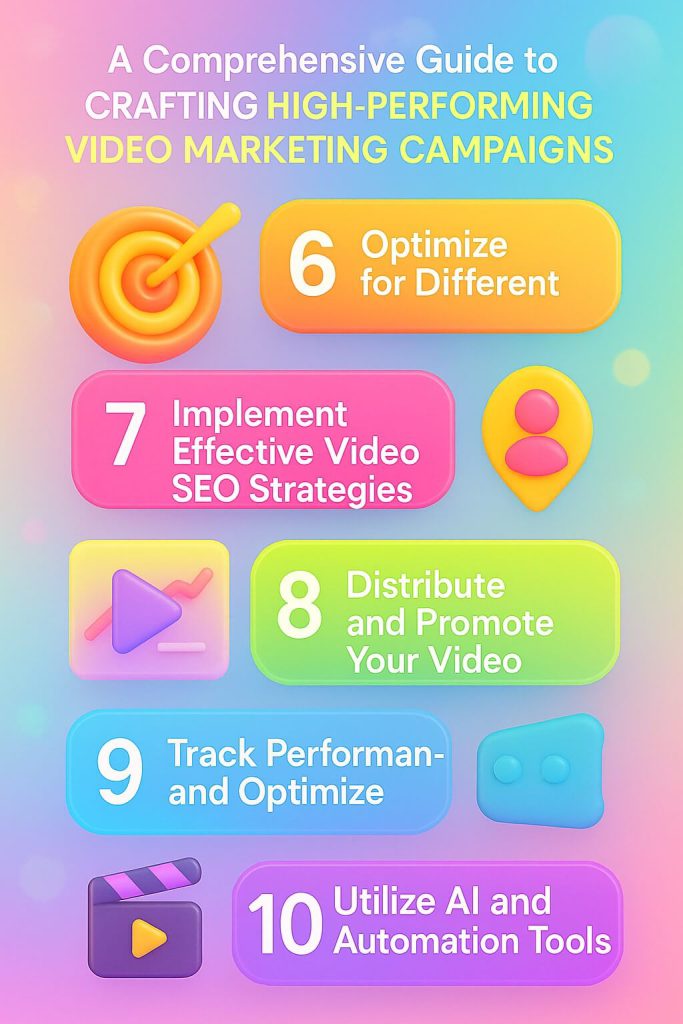
Step 6: Optimize for Different Platforms
Each social media and digital platform has unique specifications and audience preferences. Tailoring video content accordingly maximizes visibility and engagement. Consider the following platform-specific strategies:
- YouTube: SEO-friendly titles, descriptions, and thumbnails.
- Instagram & TikTok: Short, vertical videos with engaging visuals.
- Facebook & LinkedIn: Professional yet engaging content that fits well with platform dynamics.
- Website & Email Marketing: Embedding videos for enhanced interaction and retention.
Adapting content to platform requirements ensures a seamless viewing experience.
Step 7: Implement Effective Video SEO Strategies
Search engine optimization (SEO) is crucial for increasing video discoverability. Key SEO practices include:
- Using relevant keywords in titles, descriptions, and tags
- Adding transcripts and captions to improve accessibility
- Creating engaging thumbnails and compelling CTAs
- Embedding videos on websites for increased dwell time
Well-optimized videos rank higher in search results, leading to increased traffic and engagement.
Step 8: Distribute and Promote Your Video Content
Creating a great video is just the first step—effective distribution is equally important. Use multiple distribution channels to maximize reach:
- Social Media Advertising: Paid promotions on Facebook, Instagram, and YouTube.
- Email Campaigns: Embedding videos in newsletters to engage subscribers.
- Influencer Collaborations: Partnering with influencers for extended reach.
- Cross-Promotion: Sharing content across blogs, websites, and third-party platforms.
A well-planned distribution strategy ensures the right audience sees the video at the right time.
Step 9: Track Performance and Optimize
Analyzing video performance helps businesses refine their strategies for better results. Essential metrics to track include:
- View Count: The number of times a video is watched.
- Engagement Rate: Likes, shares, comments, and watch time.
- Click-Through Rate (CTR): How often viewers take action after watching.
- Conversion Rate: The percentage of viewers who complete a desired action.
By continuously monitoring analytics, businesses can optimize future campaigns for improved performance.
Step 10: Utilize AI and Automation Tools
Advancements in artificial intelligence (AI) have made video marketing more efficient. Businesses can use video making apps to automate editing, add special effects, and create professional videos effortlessly. AI-driven insights also help tailor content to audience preferences, increasing engagement and conversions.
Conclusion: Crafting High-Performing Video Marketing Campaigns
Crafting high-performing video marketing campaigns requires a strategic approach, from defining objectives to optimizing content for various platforms. By leveraging storytelling, the right tools, SEO strategies, and data-driven insights, businesses can maximize engagement and conversions. As video content continues to dominate digital marketing, staying ahead of trends and innovations ensures long-term success.







Responses