
KPI Goals for Influencer Marketing Campaign + 5 Best!


Are you struggling to measure the success of your influencer marketing efforts? Setting clear KPI goals for Influencer Marketing campaign is the first step to ensuring that your brand is on the right path to achieving impactful results.
Discover how tracking the right metrics can boost your campaign’s ROI, audience engagement, and overall performance.
Content Overview:
What Is an Influencer Marketing KPI?
An Influencer Marketing KPI (Key Performance Indicator) is a measurable value that helps brands and marketers assess the success of their influencer marketing campaigns.
These KPI goals for influencer marketing campaigns track specific objectives, such as increasing brand awareness, boosting engagement, driving website traffic, or generating sales.
By setting clear KPIs, companies can evaluate the impact of an influencer’s reach, audience engagement, and content effectiveness, ensuring that their marketing efforts align with their overall business goals.
Common influencer marketing KPIs include metrics like follower growth, engagement rates, click-through rates (CTR), and return on investment (ROI), all of which help optimize and refine future campaigns.
Why Do You Need KPIs for Your Influencer Marketing Campaigns?
KPIs are essential for your influencer marketing campaigns because they clearly measure success and ensure your efforts align with your business goals.
Without KPIs, it’s challenging to understand the true impact of your influencer collaborations, whether you’re focusing on increasing brand awareness, driving traffic, or boosting sales.
KPIs help you track important metrics like engagement rates, conversions, reach, and ROI, allowing you to identify what’s working and where adjustments are needed.
By defining specific KPI goals for influencer marketing campaigns you can make data-driven decisions that optimize your campaigns and ensure that your marketing spend delivers tangible results.
This approach allows for continuous improvement and ensures that every investment in influencer marketing contributes to your overall business success.
What Do You Want from Your Influencer Campaign?
When planning your influencer campaign, it’s crucial to define what you want to achieve clearly. Your goals might range from increasing brand awareness, driving traffic to your website, growing your social media following, or boosting product sales.
These objectives will guide how you select influencers and measure success. For instance, if brand awareness is your goal, you would focus on metrics like reach and impressions. On the other hand, if sales are your priority, you might offer discount codes or affiliate links to track conversions directly.
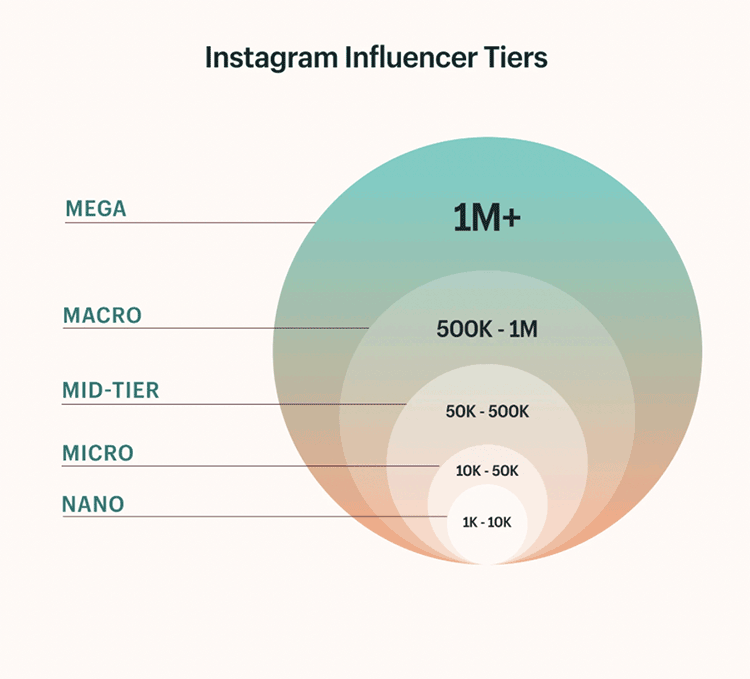
The type of influencer you collaborate with—whether a nano-influencer with a small, engaged audience or a mega-influencer with a large following—should align with these goals and your target audience.
Choosing the right content delivery strategy is also key to achieving your KPI goals for influencer marketing campaigns. For example, product giveaways can generate quick engagement, while brand ambassador partnerships offer a long-term approach to building trust and loyalty with your audience.
This ensures that your influencer marketing aligns with both short-term and long-term objectives. Finally, don’t forget to track and measure the campaign’s performance against your initial objectives to understand what worked and where improvements can be made.
How to Choose the Right KPIs for Your Campaign?
Choosing the right KPIs for your campaign is essential to effectively measure its success. The key to selecting the right KPIs is to align them with your specific business goals.
Start by determining what your campaign aims to achieve, whether it’s increasing brand awareness, generating leads, or boosting sales. For example, if your goal is brand awareness, KPIs such as reach, impressions, and engagement rate will be most relevant.
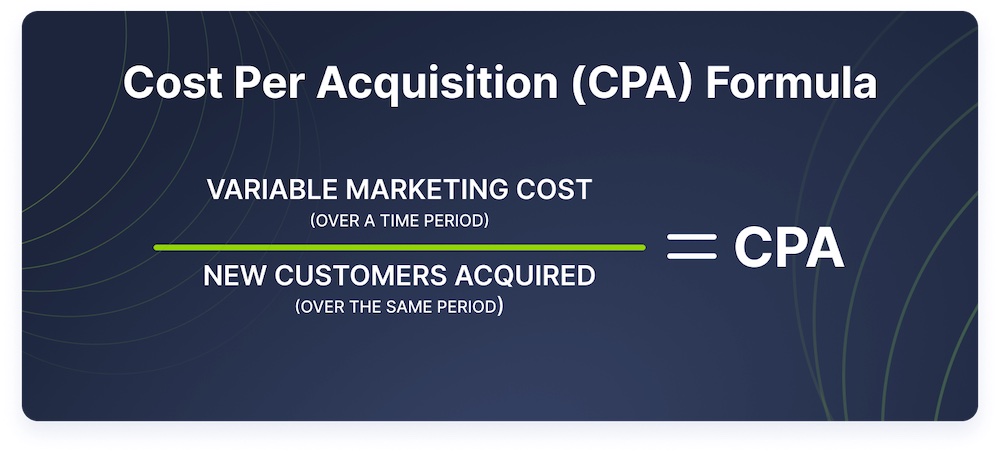
On the other hand, if driving sales is the focus, then conversion rates, cost per acquisition (CPA), and return on investment (ROI) are crucial metrics to track.
Another important factor in achieving your KPI goals for influencer marketing campaigns is ensuring that your KPIs are actionable and quantifiable.
This means they should provide clear insights into the effectiveness of your efforts and be easy to track. Good KPIs often include ratios or percentages that can help inform decision-making, like customer lifetime value (LTV) or lead source attribution.
Additionally, avoid vanity metrics (e.g., follower count) unless they directly support your business objectives, ensuring that each KPI serves a purpose aligned with your goals.
By focusing on KPIs that are goal-aligned, measurable, and actionable, you can ensure that your campaign remains on track and delivers the desired outcomes.
Use Influencer Marketing to Supercharge Your Social Media
Influencer marketing can be a powerful way to supercharge your social media presence by expanding your reach, increasing engagement, and building trust with your audience.
By collaborating with influencers who align with your brand, you can tap into their loyal followers and create content that resonates more deeply with your target demographic.
Influencers are already trusted by their audience, which can lend credibility to your brand and help you grow faster than traditional advertising methods.
To get started, you’ll want to focus on selecting the right influencers—those whose values and audience align with your goals. This could mean working with micro-influencers who have smaller but highly engaged audiences, which can be more cost-effective while still delivering strong results.
It’s also important to allow influencers some creative freedom to authentically represent your brand to their followers.
Influencers can also help you generate fresh content for your brand, from product reviews to creative demonstrations of how to use your products. This not only engages their audience but also provides you with high-quality user-generated content to repurpose across your social media platforms.
By building strong relationships with influencers and measuring key performance metrics like engagement rates, reach, and conversions, influencer marketing can greatly enhance your social media marketing efforts.
What is the Best Influencer Marketing KPI?
The best KPI goals for influencer marketing campaigns largely depend on your specific campaign objectives, but some key KPIs are consistently important across all campaigns.
These include metrics like reach, engagement, conversions, and return on investment (ROI), all of which provide valuable insights into the overall effectiveness of your influencer strategy and help ensure alignment with your business goals. but some key KPIs are consistently important across campaigns:
1. Brand Awareness: This is crucial if your goal is to increase visibility. Key metrics include reach, impressions, and video views. These help you understand how many people are seeing your content and recognizing your brand.
2. Engagement: This is one of the most insightful KPIs as it shows how well the audience is interacting with your content. It includes likes, comments, shares, and saves, offering a better gauge of how your content resonates with the audience beyond just views.
3. Conversions: If your goal is sales, tracking conversions through promo codes, affiliate links, or UTM parameters will help you determine the effectiveness of your influencer in driving tangible results.
4. Click-Through Rate (CTR): CTR measures how many people clicked on a link in the influencer’s post compared to how many saw it, providing insight into how compelling the content was to drive traffic.
5. Return on Investment (ROI): Ultimately, ROI is the gold standard for assessing the financial success of your influencer marketing campaigns. It measures whether the revenue generated exceeds the costs of the campaign, making it a top KPI for performance-based campaigns.
Each KPI plays a role depending on what stage of the marketing funnel you’re targeting, but a blend of brand awareness, engagement, conversions, and ROI usually provides a well-rounded view of your campaign’s success.
What are TOFU, MOFU, and BOFU?
TOFU, MOFU, and BOFU are stages of the marketing funnel that represent a potential customer’s journey from discovering your brand to making a purchase. Each stage requires specific marketing strategies to guide prospects through the funnel and achieve your KPI goals for influencer marketing campaigns.
By aligning the right content and tactics with each stage—whether it’s awareness at TOFU, consideration at MOFU, or conversion at BOFU—you can optimize your campaigns and ensure that your KPIs drive meaningful results.
Each stage requires specific marketing strategies to guide prospects through the funnel:
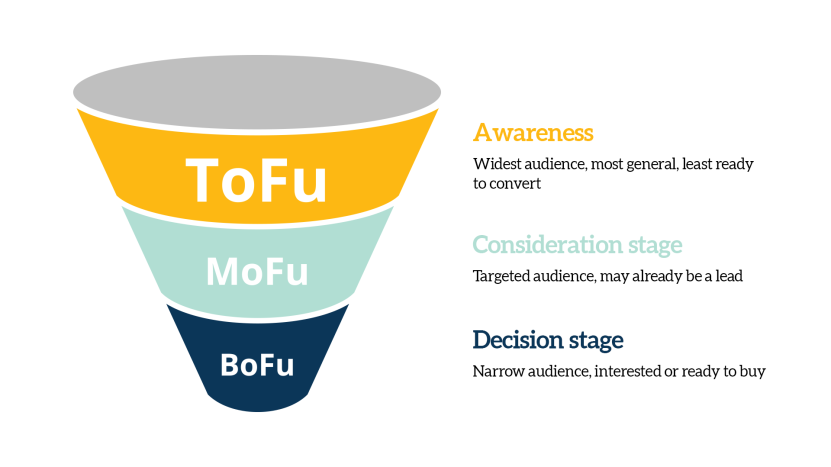
1. TOFU (Top of the Funnel): This is the awareness stage where your goal is to attract a wide audience. At TOFU, potential customers are just becoming aware of a problem or need.
Content here should be educational and focus on broad topics like blogs, infographics, and social media posts to generate interest. You’re not selling yet; you’re informing.
2. MOFU (Middle of the Funnel): The consideration stage. Here, your leads are aware of their problem and are evaluating different solutions.
Content like case studies, comparison guides, webinars, and email nurturing campaigns help to position your product or service as the best solution. Your aim is to provide detailed information to educate and nurture leads into making a decision.
3. BOFU (Bottom of the Funnel): The decision stage, where leads are ready to make a purchase. This is where you showcase product demos, offer free trials, provide customer testimonials, or use discounts and limited-time offers to push for conversion.
At this point, your content should focus on closing the sale by demonstrating why your product is the best choice.
Using the right content and strategies at each funnel stage helps move leads smoothly from awareness to decision, optimizing your marketing efforts.
How to Track Influencer Marketing KPIs in 2024?
Tracking influencer marketing KPIs in 2024 can be done manually or through automated tools.
Manual Tracking
For manual tracking, you’ll need to gather data from various sources such as social media platforms and website analytics. Common methods include:
1. Spreadsheets: Use a spreadsheet to track metrics like reach, engagement (likes, shares, comments), and click-through rates (CTR). This is time-consuming but allows you to customize tracking based on your specific goals.
2. UTM Codes: Adding UTM parameters to links shared by influencers helps you track website traffic and conversions attributed to individual influencers via tools like Google Analytics.
3. Screenshots and Reports: You can ask influencers for screenshots of reach, impressions, and engagement for specific posts or campaigns to compare results across different channels.
Automated Tracking with Tools
Automating the tracking process can save time and provide deeper insights:
1. Influencer Management Tools: Platforms like Mysocial or Grin help track a wide range of metrics including reach, impressions, conversions, and ROI. These tools integrate with social media and analytics platforms, offering real-time data tracking, sentiment analysis, and competitive benchmarking.
2. Google Analytics: When used with UTM codes, Google Analytics allows you to track specific metrics related to influencer-driven traffic, conversions, and user behavior on your website.
3. Influencity: This tool offers advanced analytics to track engagement rates, follower growth, and conversions, allowing for in-depth reporting on the effectiveness of each influencer and campaign.
Both methods have their merits, but automated tools are particularly useful for scaling campaigns and making data-driven decisions quickly.
Conclusion
To truly maximize the success of your influencer campaigns, consistently tracking your KPI goals for influencer marketing campaigns is crucial. Have you already started tracking these KPIs? Share your experience in the comments and let us know how it’s working for you!






Responses