
Google SEO Updates 2024 Jackyan: Comprehensive Guide


The “Google SEO Updates 2024 Jackyan” has stirred curiosity among digital marketers, thanks to misinformation from certain SEO tools. In this guide, we’ll clarify the connection, or rather the lack thereof, between Jack Yan and these updates, while also exploring practical SEO strategies for 2024.
Understanding the truth behind these misconceptions can help you avoid pitfalls and stay focused on what matters in SEO.
Content Overview:
Who is Jack Yan?
Jack Yan is a multilingual professional in international business, branding, type design, publishing, and politics. He founded Jack Yan & Associates and has extensive experience in creating multicultural organizations.
What is His Connection to Google SEO Updates 2024 Jackyan?
Jack Yan has no direct connection to Google SEO Updates 2024. The association is based on misinformation propagated by keyword research tools and blog posts. Jack Yan has actively denied any involvement in Google’s SEO algorithm changes.
Why SEO Tools Make Errors Like SEMRUSH Did
SEO tools like Semrush can make errors with keyword associations due to the complexities of automated algorithms and data processing techniques.
For instance, the tools often rely on machine learning and natural language processing to analyze keyword data, and errors can occur when the tools incorrectly interpret keyword intent or context.
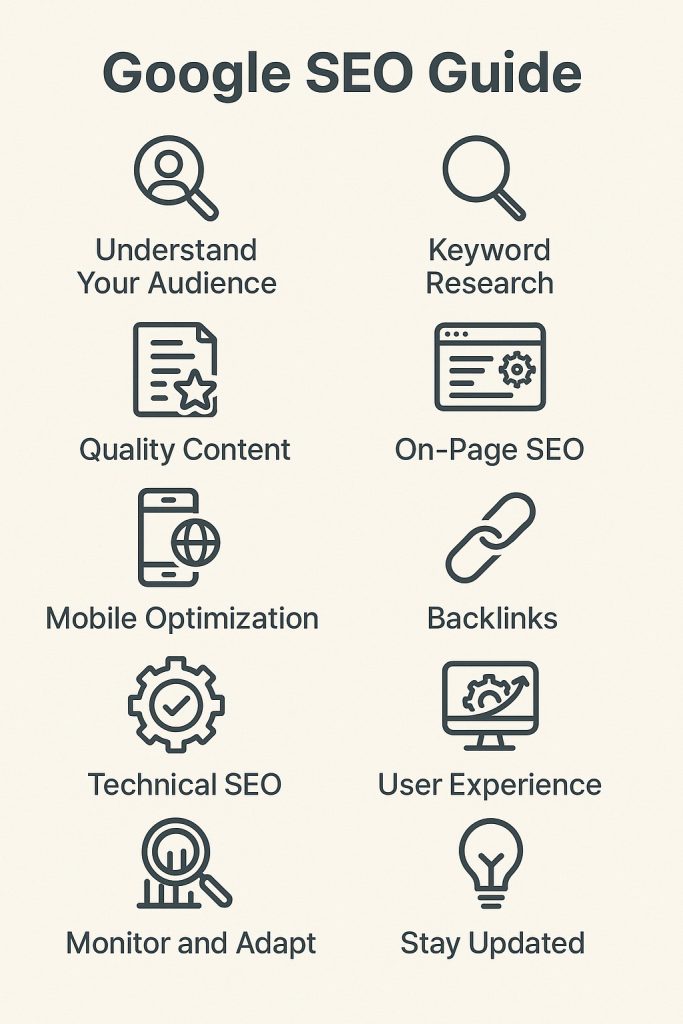
Google SEO Guide
If you’re looking to boost your website’s visibility on Google’s search engine, you’re in the right place. Let’s dive into some practical tips that will help you climb the ranks in no time.
1. Understand Your Audience
Before you even think about keywords and content, you need to know who you’re targeting. Understanding your audience’s needs, preferences, and behaviors is crucial. Use tools like Google Analytics and surveys to gather data on your visitors.
Practical Tip: Create detailed audience personas. These personas should include demographics, interests, and common search queries. Tailor your content to meet their specific needs and solve their problems.
2. Keyword Research
Keywords are the backbone of SEO. These are the terms and phrases your potential customers are typing into Google. Finding the right keywords can make or break your SEO strategy.
Practical Tip: Use tools like Google Keyword Planner, SEMrush, or Ahrefs to discover high-volume, low-competition keywords. Focus on long-tail keywords (phrases that are more specific and longer) as they tend to convert better.
3. Quality Content is King
Google loves content that is relevant, valuable, and well-written. The days of keyword stuffing are long gone. Today, it’s all about providing value to your readers.
Practical Tip: Write blog posts, articles, and web pages that address the needs and questions of your audience. Aim for a mix of evergreen content (timeless pieces) and timely content (news and trends). Don’t forget to use your keywords naturally within the content.
4. On-Page SEO
This involves optimizing individual pages on your website to rank higher and earn more relevant traffic. On-page SEO includes meta tags, headers, URL structure, and internal linking.
Practical Tip:
- Title Tags: Keep them under 60 characters and include your primary keyword.
- Meta Descriptions: Summarize your content in 150-160 characters, making it compelling and including the main keyword.
- Headers (H1, H2, H3): Use these to structure your content, with your main keyword in the H1 tag and variations in the H2 and H3 tags.
- URL Structure: Keep URLs short, descriptive, and keyword-rich.
5. Mobile Optimization
More people are using their mobile devices to browse the web than ever before. Google prioritizes mobile-friendly websites in its rankings.
Practical Tip: Use Google’s Mobile-Friendly Test tool to check your site. Ensure your website is responsive, loads quickly, and has a clean, easy-to-navigate layout on mobile devices.
6. Backlinks and Link Building
Backlinks (links from other websites to yours) are a significant factor in how Google ranks your site. High-quality backlinks can dramatically boost your SEO.
Practical Tip: Focus on quality over quantity. Reach out to reputable sites in your industry for guest posting opportunities. Create shareable content that others naturally want to link to, such as infographics, original research, and in-depth guides.
7. Technical SEO
Technical SEO involves optimizing your website’s backend structure. This includes site speed, XML sitemaps, and fixing any errors that could impact your rankings.
Practical Tip:
- Site Speed: Use tools like Google PageSpeed Insights to check and improve your site’s loading times. Compress images, leverage browser caching, and use a content delivery network (CDN).
- XML Sitemap: Create and submit an XML sitemap to Google via Google Search Console. This helps search engines understand the structure of your site.
- Fix Errors: Regularly audit your site for broken links, duplicate content, and other technical issues.
8. User Experience (UX)
Google’s algorithms increasingly prioritize sites that provide a good user experience. This includes everything from site navigation to the overall design and content structure.
Practical Tip:
- Navigation: Make sure your site is easy to navigate. Use a clean, intuitive layout.
- Readability: Break up your content with headings, bullet points, and images. Use a readable font and keep paragraphs short.
- Engagement: Encourage user engagement with comment sections, social media sharing buttons, and interactive content like quizzes and polls.
9. Monitor and Adapt
SEO is not a one-time task but an ongoing process. Regularly monitor your site’s performance and adapt your strategy based on what’s working and what’s not.
Practical Tip: Use Google Analytics and Google Search Console to track your traffic, rankings, and user behavior. Pay attention to changes in algorithms and adjust your tactics accordingly.
10. Stay Updated
SEO is constantly evolving. Staying updated with the latest trends and algorithm changes is crucial for maintaining and improving your rankings.
Practical Tip: Follow reputable SEO blogs, join forums, and participate in webinars. Keep learning and adapting to stay ahead of the competition.
By following these practical tips, you’ll be well on your way to mastering Google SEO. Remember, patience and consistency are key. SEO is a marathon, not a sprint.
Conclusion
Despite the confusion caused by false keyword associations, it’s clear that Jack Yan is not linked to Google’s SEO updates. This serves as a reminder of the importance of critically evaluating the information provided by SEO tools.
By focusing on core SEO practices—such as audience understanding, content quality, and adaptability—you can ensure long-term success, regardless of the noise around trending keywords.






Responses